

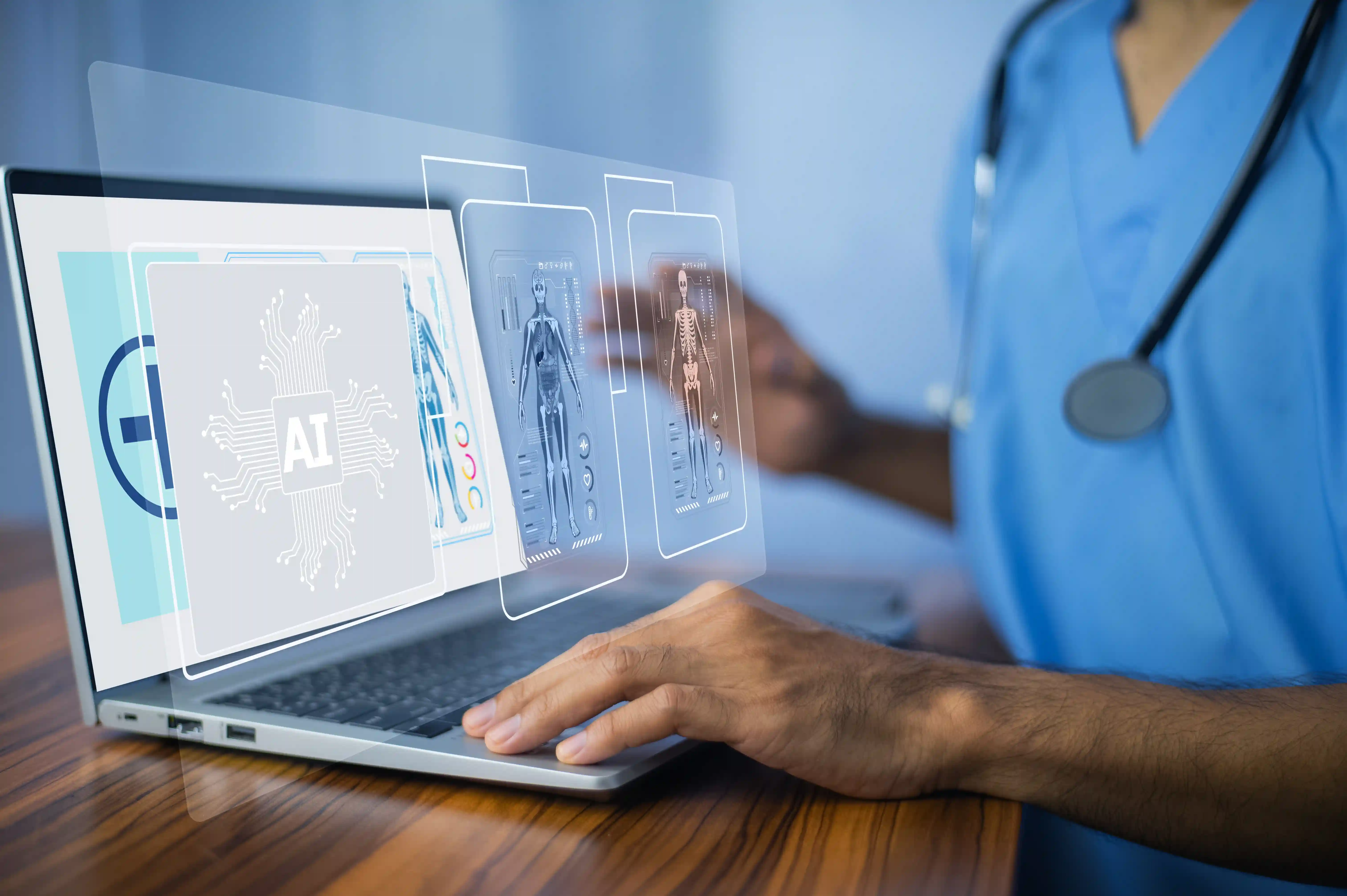
Healthcare is entering a new era where technology is transforming the way doctors, patients, and hospitals collaborate. Artificial Intelligence (AI) and digital tools are bringing major improvements to diagnosis, treatment, and patient care.
From innovative systems that detect diseases early to apps that let patients consult doctors from home, technology is making healthcare faster, more accurate, and more accessible than ever before.
These innovations are not intended to replace healthcare professionals. However, they are helping them deliver better, more personalized care while reducing costs and time.

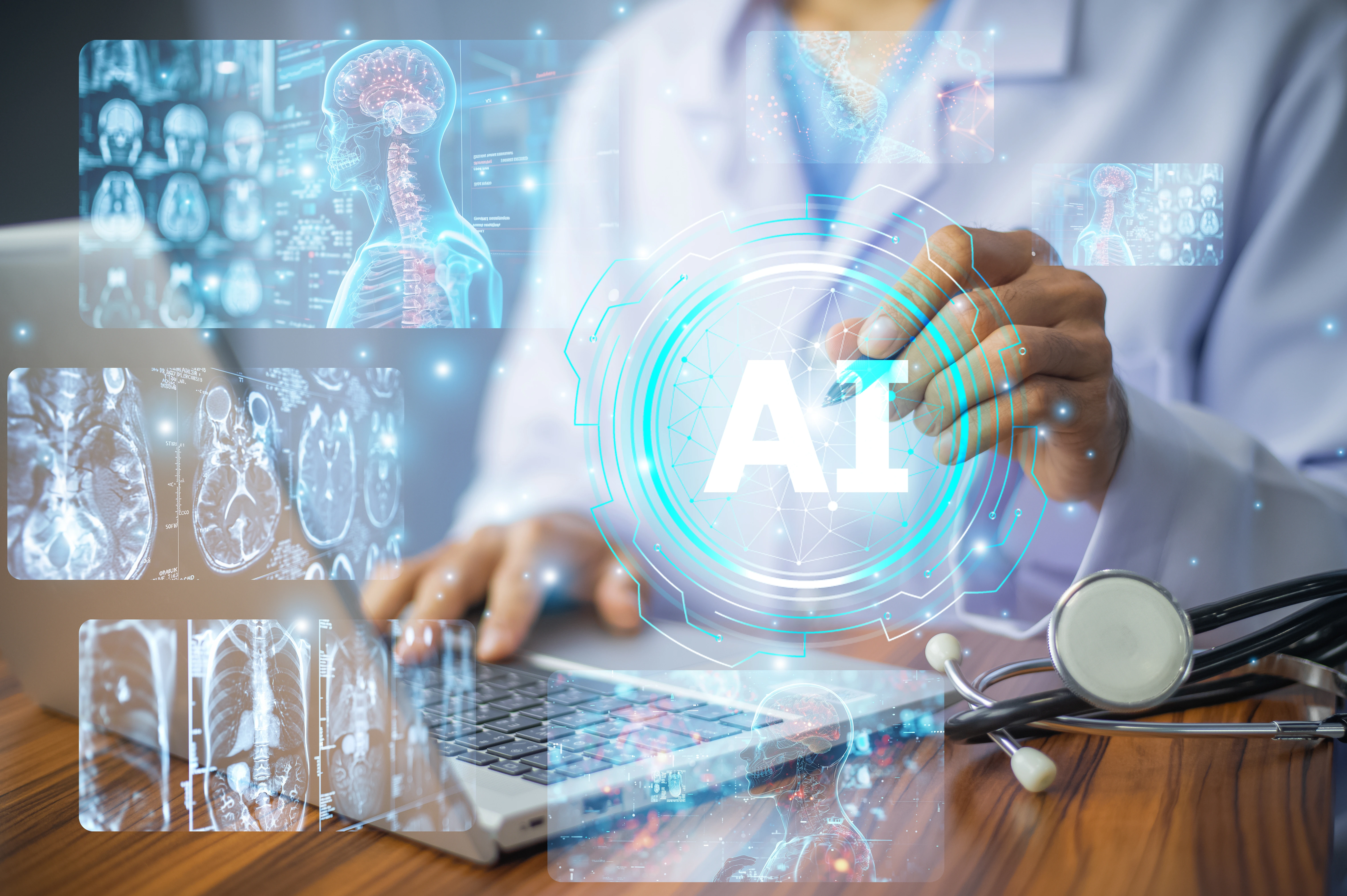
AI is no longer just a futuristic concept, it’s a part of today’s healthcare system. Hospitals and clinics worldwide are utilizing AI to enhance decision-making, minimize errors, and streamline time-consuming tasks.
AI-powered imaging tools, for instance, can detect diseases at an early stage by analyzing medical scans with higher accuracy than traditional methods.
Predictive analytics enable doctors to identify health risks before they become severe, facilitating early intervention and prevention. Virtual assistants and chatbots are also playing a vital role by answering patient queries, scheduling appointments, and guiding users through their treatment journey.
AI in healthcare helps to:
These innovative systems enable doctors to focus more on patient care rather than paperwork, improving both speed and quality of service.
Beyond AI, digital tools are revolutionizing the delivery and management of healthcare. Wearable devices, such as smartwatches and fitness trackers, monitor vital signs, including heart rate, oxygen levels, and sleep quality.
This data enables patients to track their health in real-time and share updates with their doctors remotely.
Electronic Health Records (EHRs) have made it easier for healthcare providers to access patient data instantly, ensuring better coordination among hospitals, specialists, and pharmacies.
Telemedicine platforms have also bridged the gap between doctors and patients, enabling consultations from the comfort of home, a major shift that became crucial during the pandemic.
In short, digital tools are giving patients more control over their health while allowing doctors to make faster and more informed decisions.
The impact of these innovations is evident in nearly every aspect of healthcare. Some of the major benefits include:
AI and digital tools are helping healthcare systems run more efficiently, saving both time and money while delivering higher-quality outcomes.
Despite the progress, integrating AI and digital tools comes with challenges. Data privacy and security remain top concerns since patient information must be protected from cyber threats. Implementing new technologies also requires significant investment and training, which can be difficult for smaller healthcare centers.
Additionally, not all patients and professionals are comfortable with technology, so improving digital literacy is essential for long-term success.
The future of healthcare lies in strong collaboration between humans and machines. AI will continue to assist in diagnosis, analysis, and record-keeping, while doctors will focus on building trust and making informed, empathetic decisions. Together, they will create a smarter, safer, and more connected healthcare environment.
AI and digital tools are redefining what’s possible in healthcare. From early disease detection to remote consultations, these innovations are saving lives, reducing costs, and improving patient experiences.
As technology continues to advance, the healthcare system will become even more efficient and human-centred, where innovation and compassion work hand in hand to build a healthier future for all.