


The financial world is changing at an unprecedented rate. Traditional banking and money systems are giving way to digital innovation, driven by technologies such as fintech and Blockchain.
These two forces are not just improving convenience but transforming how people save, invest, borrow, and transfer money.
Together, Fintech and Blockchain are shaping the future of finance, making it smarter, faster, and more secure.
In this blog, we will examine how these technologies are transforming financial systems and creating new opportunities for businesses and consumers alike.
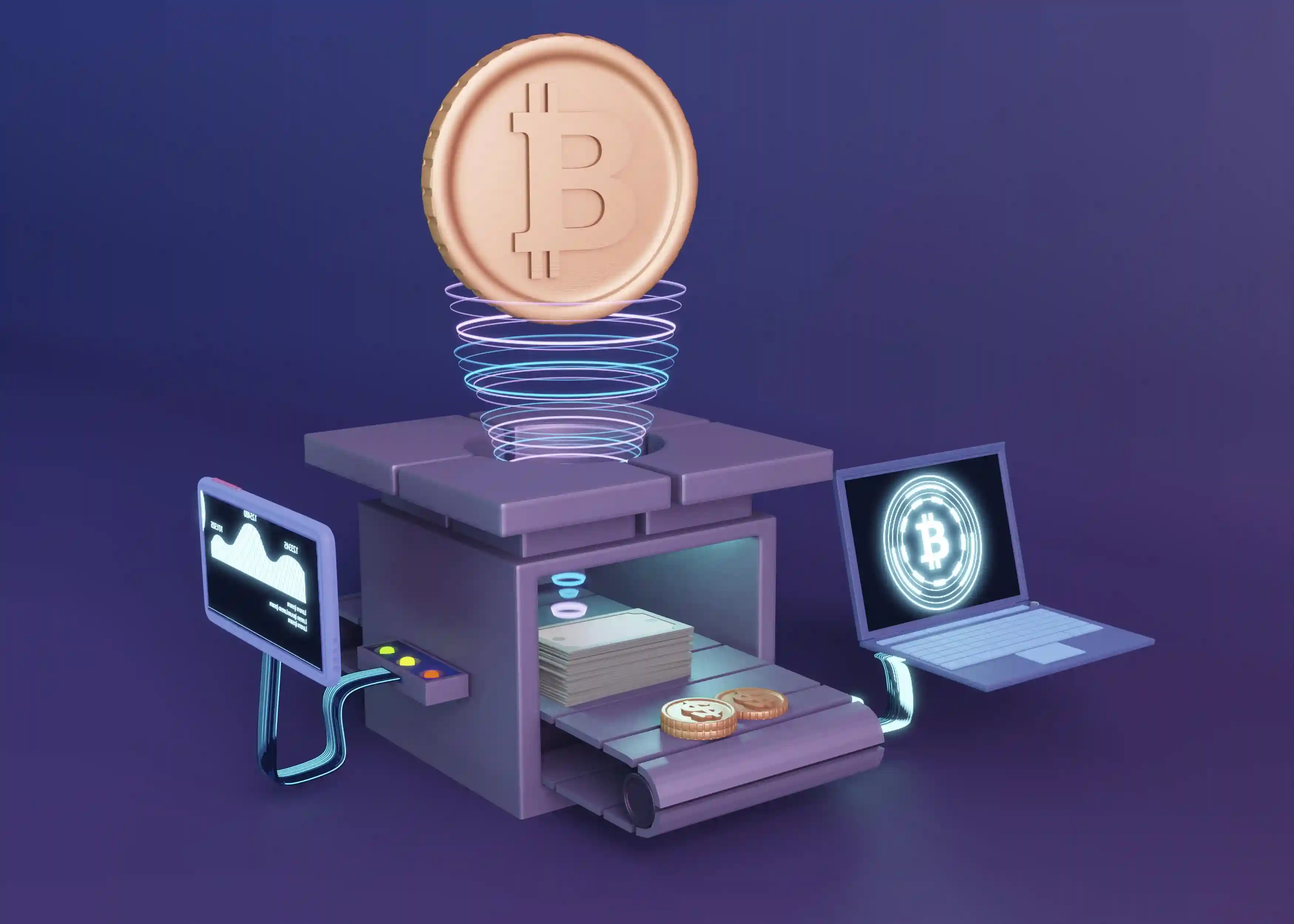
Fintech, short for Financial Technology, refers to the use of technology to improve financial services. It includes everything from mobile banking apps to online investment platforms and digital payment systems.
Fintech companies are making finance more accessible to everyone, reducing dependency on traditional banks. People can now send money instantly, apply for loans online, and even manage investments from their smartphones.
The primary goal of Fintech is to make financial services faster, more affordable, and easier to use, while ensuring transparency and security.
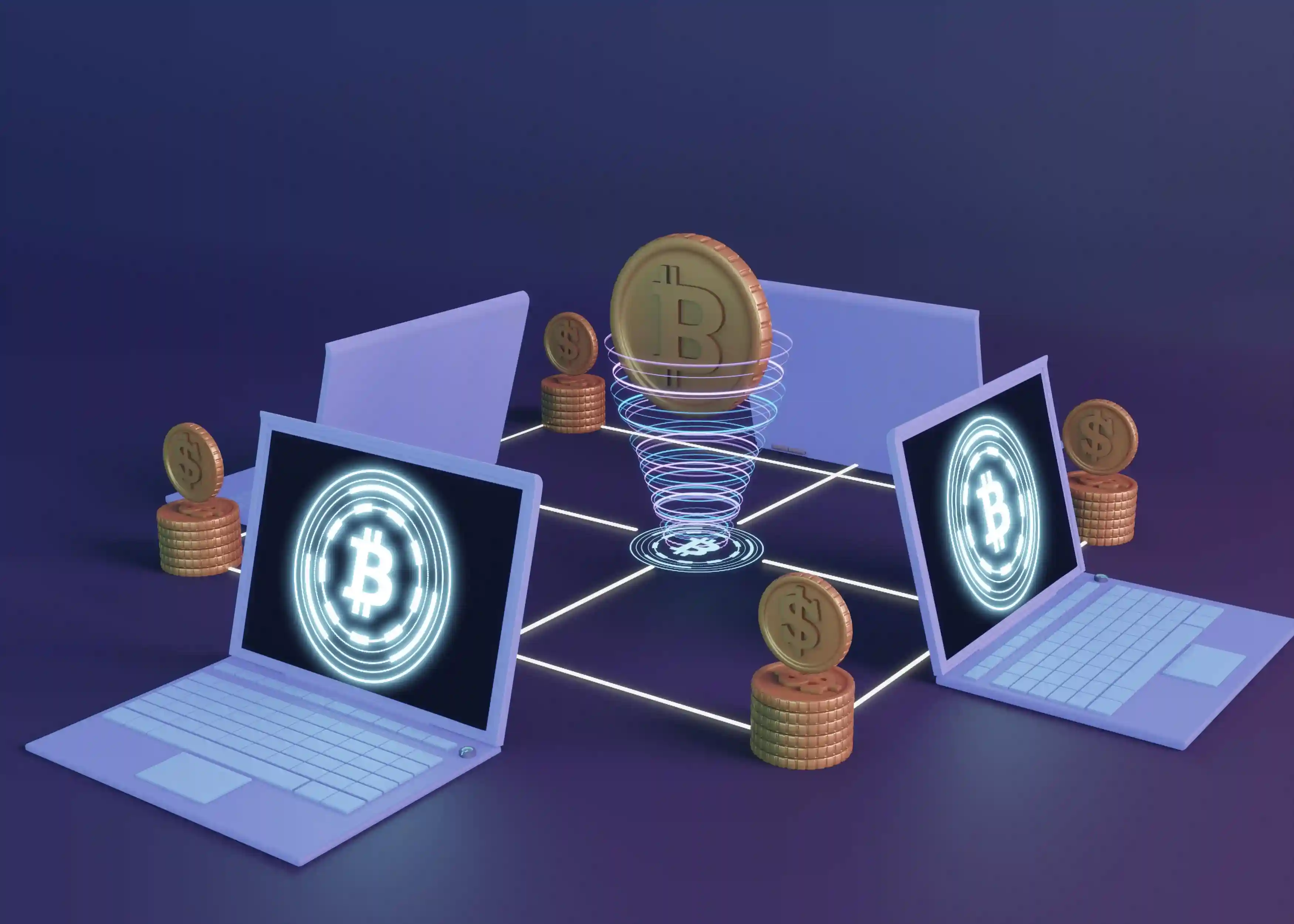
Blockchain is a digital system that records transactions securely across a network of computers. Unlike traditional databases, it is decentralized, meaning no single authority controls it. Every transaction is stored in a “block,” linked to the previous one, creating a chain that cannot be altered easily.
This technology brings trust and transparency to digital transactions. It is the foundation of cryptocurrencies like Bitcoin, but its use goes far beyond digital coins. Banks, insurers, and even governments are exploring Blockchain to improve record-keeping, security, and efficiency.
Fintech and Blockchain complement each other perfectly. Fintech focuses on improving the delivery of financial services, while Blockchain strengthens those services with secure and transparent systems.
Together, they are driving innovation in areas such as payments, lending, and wealth management. The combination is helping to eliminate intermediaries, lower costs, and make transactions nearly instant.
For example, Blockchain-powered Fintech platforms can process cross-border payments without relying on traditional banks, saving both time and fees.
Fintech and Blockchain are not just beneficial for consumers; they are also reshaping how businesses operate.
Some of the key advantages include:
Reduced Operational Costs: Automation and smart contracts minimize paperwork and processing delays.
Faster Transactions: Payments and settlements that once took days now happen within seconds.
Improved Transparency: Every transaction is traceable, reducing the risk of fraud.
Global Reach: Companies can expand internationally without relying on multiple banking systems.
These benefits allow startups and large institutions alike to innovate and compete effectively in the digital economy.
While the potential is immense, the adoption of these technologies comes with challenges. Regulatory uncertainty, lack of awareness, and cybersecurity risks remain key concerns.
However, governments and financial institutions are collaborating to establish clear frameworks that ensure innovation continues safely and securely. As trust grows, adoption will accelerate, leading to even more innovative financial solutions.
The future of finance is undeniably digital. In the coming years, we can expect even deeper integration of Fintech and Blockchain in our daily lives.
Fintech and Blockchain are not just trends; they are the foundation of the next generation of finance. Together, they are creating systems that are faster, safer, and more transparent than ever before.
For businesses, these innovations bring efficiency and new revenue models. For consumers they bring accessibility, control, and trust.
As we move toward a digital-first world, the partnership between Fintech and Blockchain will continue to redefine how money works and how we interact with it every day.