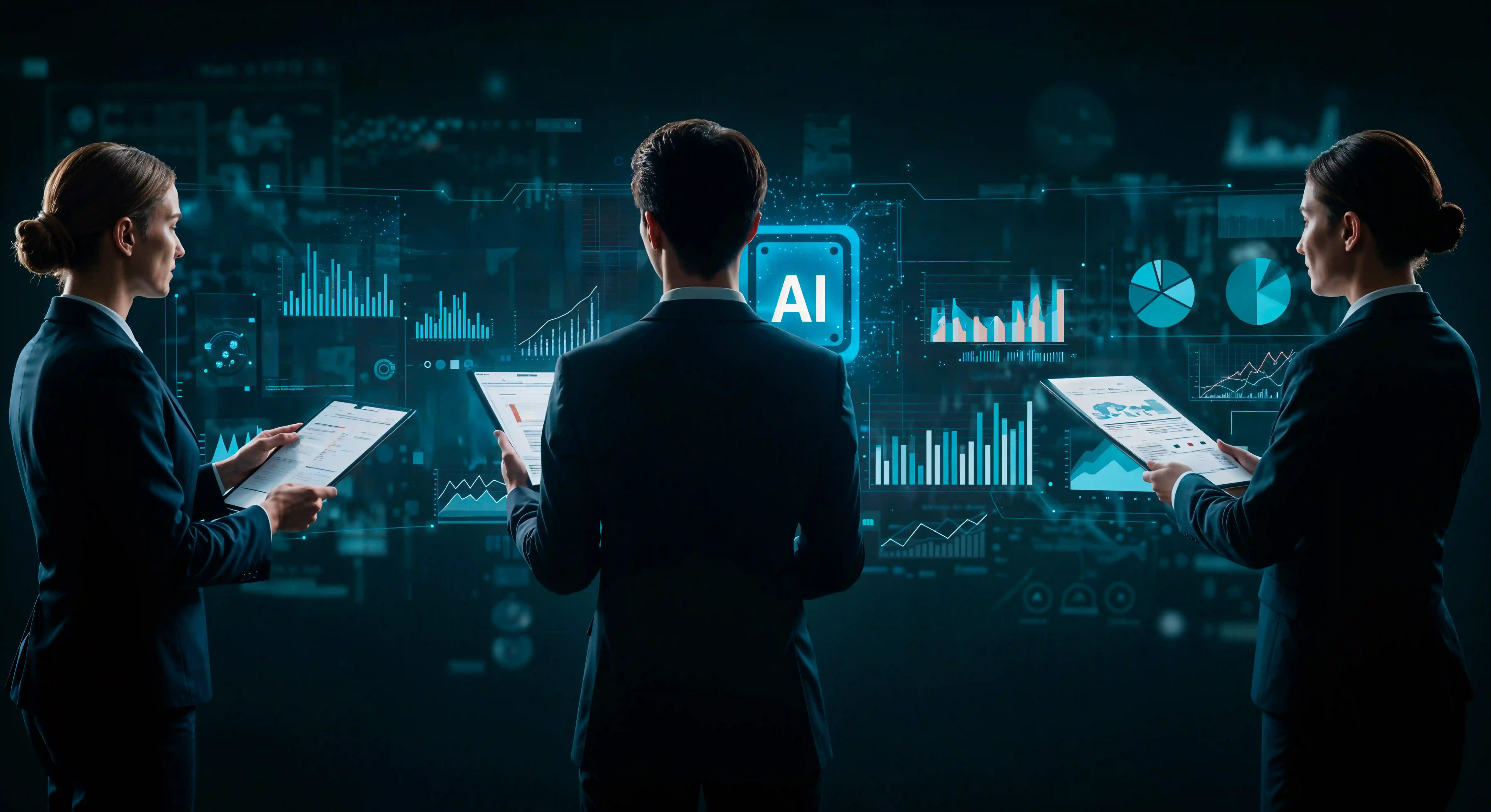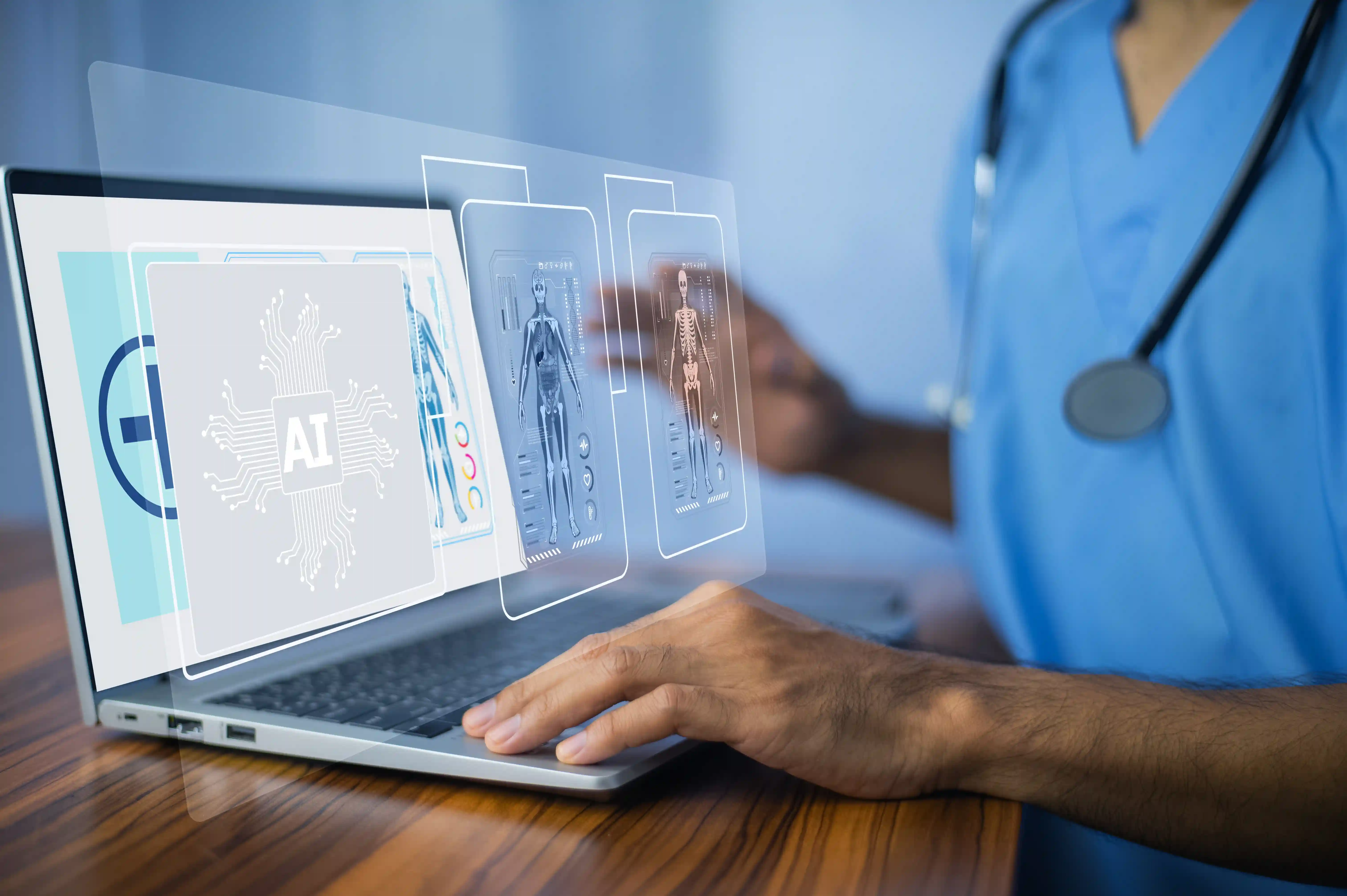


ML has emerged as one of the most effective tools in the marketplace today. It enables systems to learn from data, identify patterns, and make decisions with minimal human intervention. From personalized suggestions on shopping websites to the detection of fraud in banking, machine learning is transforming how companies operate and expand.
It helps organizations become more innovative, efficient, and agile. In this blog, we will learn how the top innovations in machine learning are transforming industries and building stronger businesses for the future.
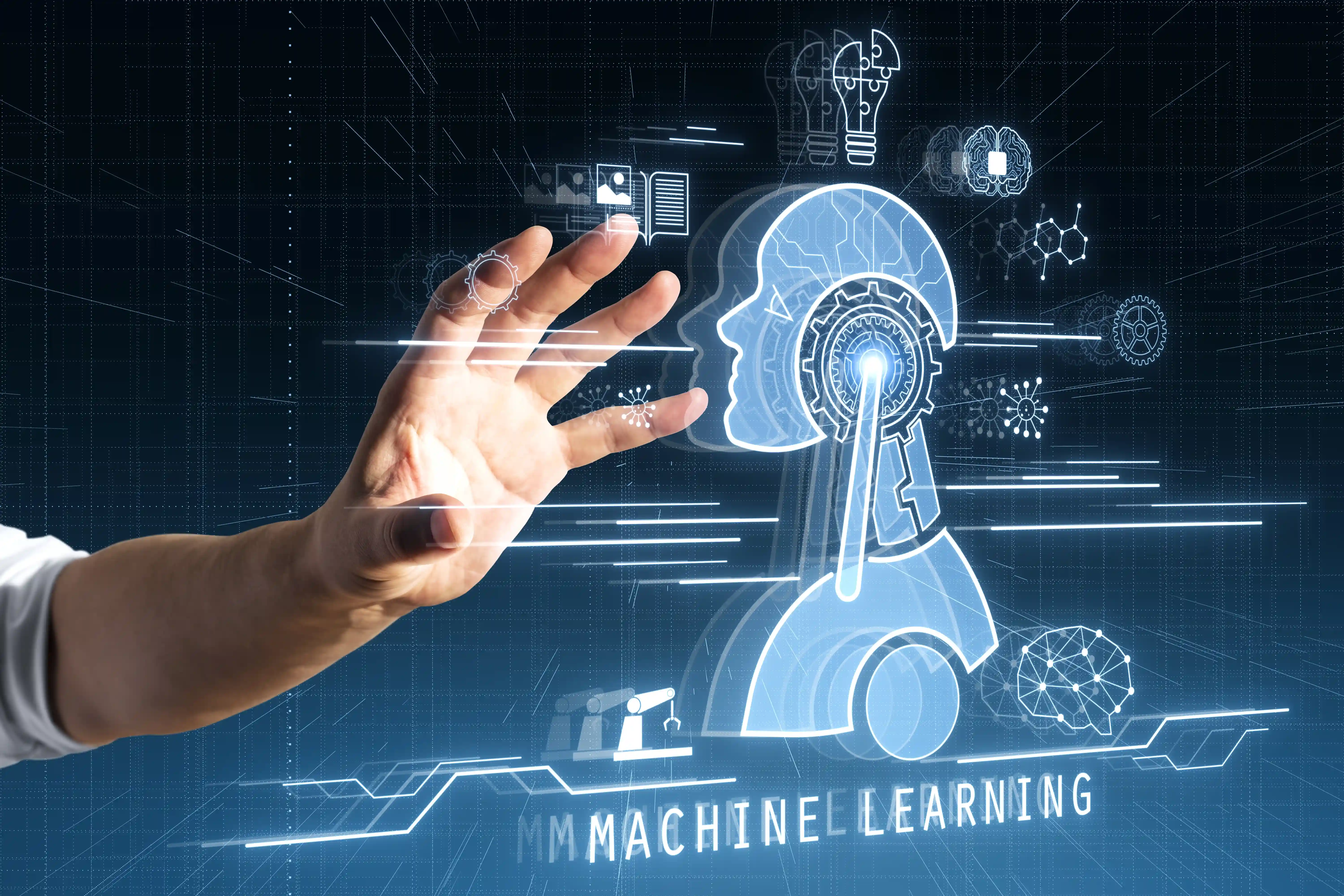
Machine Learning is a branch of Artificial Intelligence that enables computers to learn from experience rather than through direct programming. In simple terms, machines can analyze data, recognize patterns and trends, and make predictions or informed decisions based on that information.
Businesses use ML to automate processes, enhance customer experiences, and improve decision-making. It helps in solving problems that are too complex or time-consuming for humans to handle manually. The result is increased productivity, reduced errors, and smarter operations across all departments.
Machine Learning continues to evolve, giving rise to new and exciting innovations that are reshaping industries. Here are some of the most impactful developments driving change:
Machine Learning not only introduces advanced technology but also strengthens how businesses operate. Let’s look at how ML supports overall growth and competitiveness.
1. Improved Efficiency: By automating repetitive tasks such as data entry, inventory management, and scheduling, businesses save time and reduce errors. Employees can focus on creative and strategic tasks instead of routine operations.
2. Better Decision-Making: Machine Learning provides valuable insights by analyzing large volumes of data quickly. Business leaders can make faster and more accurate decisions based on evidence rather than assumptions.
3. Personalized Customer Experience: ML helps businesses understand individual customer preferences and behaviours. E-commerce platforms, for example, use ML algorithms to recommend products that match a shopper’s interests. This personalization leads to higher customer satisfaction and loyalty.
4. Risk Management and Security: Financial institutions, healthcare providers, and cybersecurity firms use ML to detect threats, identify unusual activity, and protect sensitive data. This proactive approach helps reduce risks and ensures a safer business environment.
Machine Learning is driving innovation by enabling businesses to explore new opportunities and optimize their existing processes.
Some of the ways ML supports innovation include:
These applications show that machine learning is not just a technology but a key factor in driving sustainable business growth.
While ML offers many advantages, adopting it can come with challenges. Businesses often face issues such as limited technical knowledge, data privacy concerns, and high implementation costs.
To overcome these challenges, organizations should:
With the right strategy and planning, any business can successfully integrate ML into its operations.
The future of machine learning holds immense potential. As technology advances, ML will become even more accessible and powerful. Businesses will utilize it to develop more intelligent systems that can learn, adapt, and continually improve their performance.
Emerging trends, such as generative AI, edge computing, and autonomous decision-making, will push the boundaries of what is possible. Companies that adopt these innovations early will have a competitive advantage in the digital economy.
Machine Learning innovations are shaping the future of business. From predictive analytics to intelligent automation, these technologies are enabling organizations to make informed decisions, deliver personalized experiences, and enhance operational efficiency.
The real strength of machine learning lies in its ability to combine human intelligence with data-driven insights. As businesses continue to innovate, those that adapt to machine learning will not only become smarter but also stronger, ready to lead in a rapidly changing world.